
Thomas Young a British polymath and physician
Thomas Young Biography, a British polymath and physician, better known as "The Last Man Who Knew Everything". Learn more about him.

Youth, Tech, and the New Global Addiction Epidemic
How technology, consumer culture, and corporate design are fueling a new global addiction epidemic among youth, and what we can do about it.
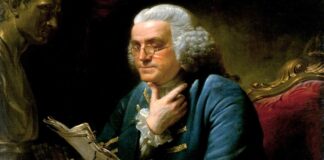
Benjamin Franklin: A Brilliant Inventor, Statesman, and Scientist
Know how Benjamin Franklin was a multi-talented American inventor, civic activist, statesman, soldier, and diplomat. He was also one of the most important Founding Fathers of the United States.
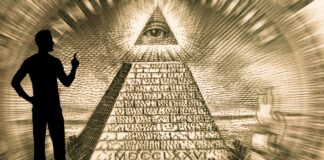
What are Conspiracy Theories and Why do we believe in them?
What are conspiracy theories? Why do we believe it? Three categories of reasons for believing in conspiracy theories according to psychology.

Factory Farming: A Brutal Efficiency That Costs Us the Planet
Why factory farming fails animals, the environment, and public health— Its time go for sustainable solutions like regenerative agriculture and plant-based alternatives.

Carl Sagan’s Quotes on Nature, Earth, and Future
We have been on the banks of the cosmic ocean for a long time. We are ready to set sail for the stars. Here are Carl Sagan's quotes that will always inspire humanity and science.

HG Wells: Written Imaginations Became True Events
HG Wells, whose written imaginations became true events. The scenes depicted in the Wells film The Shape of Things to Come actually came true in World War II.

Men’s Rights Movement in India
Explore why the narrative of gender equality often seems one-sided and understand the need for stronger laws for men’s rights in India, highlighting the pressing reasons for legal reform and balanced advocacy.
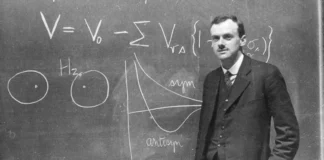
Paul Dirac: The Engineer Who Turned Physicist
Do you know Paul Dirac, an engineer who turned physicist, his works revolutionized our understanding of the fundamental forces governing the universe.
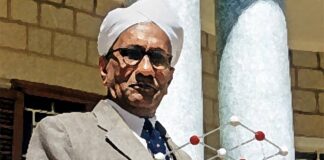
Shri C.V. Raman: Indian Physicist Behind the Field of Light Scattering
Shri C.V. Raman: The Indian physicist behind the field of light scattering. C.V. Raman was the first person from Asia to be awarded the Nobel Prize. Know more about his life in this article.
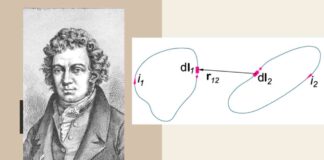
Andre Marie Ampere: French Physicist and Mathematician
Biography of Andre-Marie Ampere, credited with the discovery of Electromagnetism, SI unit of electric current is named after him.

Vote Vapasi Dhan Vapasi: Solution for all Problems in India
With the main objective of providing solutions to India's socio-political challenges, this Vote Vapasi Dhan Vapasi book is a must-read book for all book enthusiasts.
POPULAR







Give Monetary Contribution
Support the UNREVEALED FILES by making a small monetary contribution. Your contribution will help us run this platform. You can contribute instantly by clicking the below link.