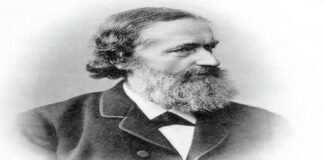
How Gustav Kirchhoff Unlocked the Secrets Hidden in Starlight
In 1859, Gustav Kirchhoff made a discovery that transformed astronomy and physics. Learn how black-body radiation revealed the hidden secrets of stars and paved the way for modern science.
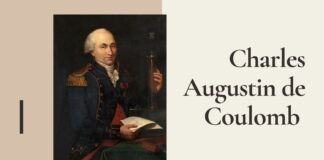
Charles Augustin de Coulomb: French military Engineer and Physicist
Read the full biography of Charles Augustin de Coulomb, a French physicist known for discoveries such as Coulomb's Law, electrostatic force of attraction, and repulsion.

What The Bleep Do We Know? Documentary
What the Bleep Do We Know? Documentary. Explore the Depths of Perception and Reality And Also Understand the criticisms surrounding its scientific accuracy.
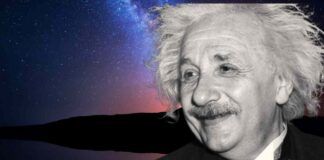
What lessons can we learn from Albert Einstein?
we can help us remain more creative in our work, How to stay engaged and think creatively. The following are what we should learn from Albert Einstein.
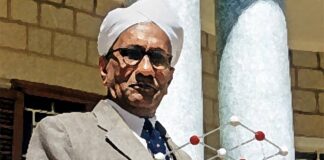
Shri C.V. Raman: Indian Physicist Behind the Field of Light Scattering
Shri C.V. Raman: The Indian physicist behind the field of light scattering. C.V. Raman was the first person from Asia to be awarded the Nobel Prize. Know more about his life in this article.

Simulation Theory: All Possibilities of Reality is Artificial Simulation
Is the Universe a Computer Simulation? Is Simulation Theory proposed?, Is all the aspects of reality, including the Earth and the Universe is really an artificial simulation? Know in this article.
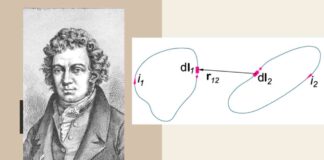
Andre Marie Ampere: French Physicist and Mathematician
Biography of Andre-Marie Ampere, credited with the discovery of Electromagnetism, SI unit of electric current is named after him.
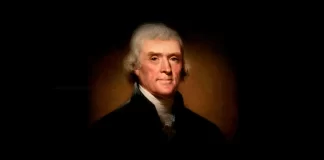
Thomas Jefferson: Architect of American Democracy
Life of Thomas Jefferson the third President of the United States, his achievements, and his enduring contributions to American democracy.

Factory Farming: A Brutal Efficiency That Costs Us the Planet
Why factory farming fails animals, the environment, and public health— Its time go for sustainable solutions like regenerative agriculture and plant-based alternatives.
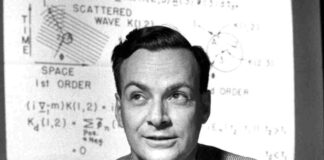
Richard Feynman: An Influential popular theoretical scientist of the 20th century
Richard Feynman was a Theoretical Physicist, after World War II Feynman is considered the most brilliant in physics and Richard Feynman: an influential popular theoretical scientist of the 20th century.
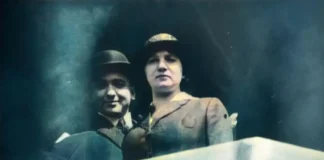
Marie Ganz: The Woman Who Threatened Rockefeller
The story of Marie Ganz, an Iron Lady, a staunch anarchist activist who was she and how and why she Threatened to kill Rockefeller.

Why ‘Be Alone’ Isn’t the Ultimate Answer: The Hidden Costs of...
Everyone tells you to 'be alone' to grow, but is solitude really the key to happiness and success? Discover what science and Gen Z data reveal about the hidden risks of isolation.
POPULAR







Give Monetary Contribution
Support the UNREVEALED FILES by making a small monetary contribution. Your contribution will help us run this platform. You can contribute instantly by clicking the below link.