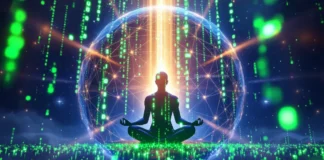
Maya & the Matrix: A Dharmic Perception of Simulated Reality
Maya & the Matrix as cosmic illusion, its Dharmic roots, and how it parallels simulated reality from ancient Upanishads to The Matrix and modern philosophy.
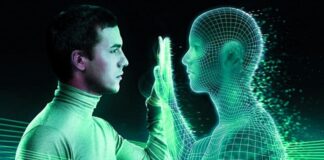
Simulation Theory: All Possibilities of Reality is Artificial Simulation
Is the Universe a Computer Simulation? Is Simulation Theory proposed?, Is all the aspects of reality, including the Earth and the Universe is really an artificial simulation? Know in this article.

What The Bleep Do We Know? Documentary
What the Bleep Do We Know? Documentary. Explore the Depths of Perception and Reality And Also Understand the criticisms surrounding its scientific accuracy.

Judicial Systems: A Comparative Analysis
Some of the most prominent judicial systems in the world, judge system, jury system, assessor system, elected judge system, and the judicial retention elections.

Michael Faraday: A child Born in Poverty Became a Great Scientist
Who was Michael Faraday, one of the most outstanding scientists in the world of science, whose inventions made Newton, Maxwell, and Einstein so great?

Vote Vapasi Dhan Vapasi: Solution for all Problems in India
With the main objective of providing solutions to India's socio-political challenges, this Vote Vapasi Dhan Vapasi book is a must-read book for all book enthusiasts.

Youth, Tech, and the New Global Addiction Epidemic
How technology, consumer culture, and corporate design are fueling a new global addiction epidemic among youth, and what we can do about it.

Thomas Jefferson: Architect of American Democracy
Life of Thomas Jefferson the third President of the United States, his achievements, and his enduring contributions to American democracy.

Udupi Ramachandra Rao: Space Scientist Biography
Space Scientist Udupi Ramachandra Rao's biography, an internationally renowned space scientist who made great contributions to the development of space technology in India.

Exploring the Mysteries of Dreams: Theories and Explanations
Science has shed some light on the Mysteries of Dreams. In this article, we will Explore the Mysteries of Dreams and their Theories and Explanations.
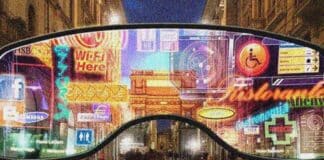
Augmented Reality: Technologically Augmented Version of the Real World
A technologically augmented version of the real world that is created through the use of digital visual elements, music, or other sensory stimulations.
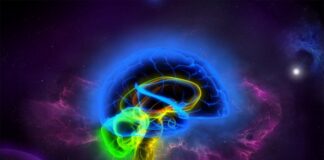
Boltzmann Brains: Complete with a Memory of having Existed in our...
Completely formed brain that emerges from exceedingly uncommon random fluctuations out of thermodynamic equilibrium, complete with memories of fully human life in our universe. Learn more
POPULAR




Give Monetary Contribution
Support the UNREVEALED FILES by making a small monetary contribution. Your contribution will help us run this platform. You can contribute instantly by clicking the below link.